
Wood vs Vinyl Windows for West Jordan Homeowners
When choosing between wood and vinyl windows in West Jordan, most homeowners find vinyl offers superior energy efficiency, lower maintenance, and better moisture resistance at 30-40% less cost, while wood provides timeless aesthetics and customization options at a higher investment. West Jordan Windows helps you evaluate both materials based on your budget, architectural style, climate needs, and long-term maintenance preferences.
Deciding between wood and vinyl windows for your West Jordan home represents one of the most significant choices during a window replacement project. Both materials offer distinct advantages, but understanding how they perform in West Jordan’s unique climate—with scorching summers, freezing winters, and occasional moisture challenges—will help you make the smartest investment for your property.
This guide covers everything West Jordan homeowners need to know about wood and vinyl window materials, from performance and costs to maintenance requirements and local climate considerations.
Understanding Window Materials in West Jordan’s Climate
West Jordan’s temperature extremes and seasonal variations make material choice critical for long-term window performance, energy efficiency, and maintenance requirements.
West Jordan experiences significant temperature swings throughout the year, with summer temperatures regularly exceeding 95°F and winter lows dropping below 20°F. These extreme conditions affect wood and vinyl windows differently.
How Weather Affects Window Materials
Wood windows naturally expand and contract with temperature and humidity changes, which can lead to warping, cracking, or gaps that compromise energy efficiency over time. Wood frames require regular maintenance, including painting, staining, and sealing, to withstand the dry climate and prevent moisture damage during occasional rain and snow events.
Vinyl windows resist moisture penetration and don’t rot, warp, or require painting, making them particularly well-suited for West Jordan’s climate variations. The material’s thermal properties provide superior insulation against heat transfer, helping reduce energy bills during both hot summers and cold winters.
Energy Performance in Utah’s Climate
According to the U.S. Department of Energy, proper window selection and installation can reduce household energy costs by 7-15% annually—a significant consideration for homeowners evaluating long-term value.
Energy-efficient windows are essential for managing heating and cooling costs in West Jordan, where HVAC systems work overtime during seasonal extremes. Vinyl windows typically feature multi-chambered frames filled with insulating materials that create superior energy efficiency compared to traditional wood frames.
Wood Windows for West Jordan Homes
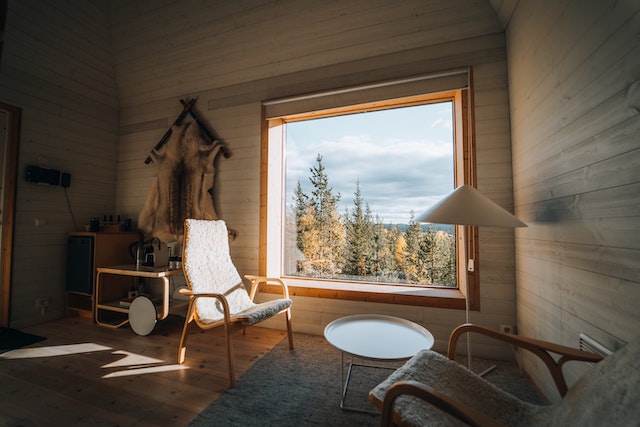
Wood windows deliver unmatched aesthetics and customization but require ongoing maintenance, investment, and higher upfront costs.
Wood windows have adorned homes for centuries, offering timeless beauty and architectural authenticity that many homeowners cherish.
The Advantages of Wood Windows
Wood windows offer several compelling benefits:
Aesthetic Appeal – Natural wood grain provides warmth and elegance that complements traditional, craftsman, and historic architectural styles.
Customization Options – Wood is highly workable, allowing for custom shapes, sizes, and specialty configurations like bay windows and unique designs.
Insulation Value – Quality wood windows provide excellent natural insulation properties when properly maintained.
Paint and Stain Flexibility – Unlimited color options through painting or staining to match your home’s unique character.
Historic Preservation – For historic West Jordan homes, wood windows may be required to maintain architectural integrity.
The Challenges of Wood Window Ownership
Wood windows face several ongoing challenges that homeowners should understand:
Maintenance Requirements – Wood windows need repainting or restaining every 3-7 years to prevent moisture damage and maintain appearance.
Moisture Vulnerability – Even with proper sealing, wood can absorb moisture, leading to rot, mold, and structural deterioration.
Expansion and Contraction – Temperature fluctuations cause wood to expand and contract, potentially creating gaps that reduce energy efficiency.
Higher Initial Cost – Wood windows typically cost 30-50% more than comparable vinyl windows for materials and installation.
Pest Concerns – Termites and carpenter ants can damage wood window frames, requiring vigilant inspection and treatment.
Long-term Expenses – Ongoing maintenance, repainting, and potential repairs add to lifetime ownership costs.
Vinyl Windows for West Jordan Homeowners
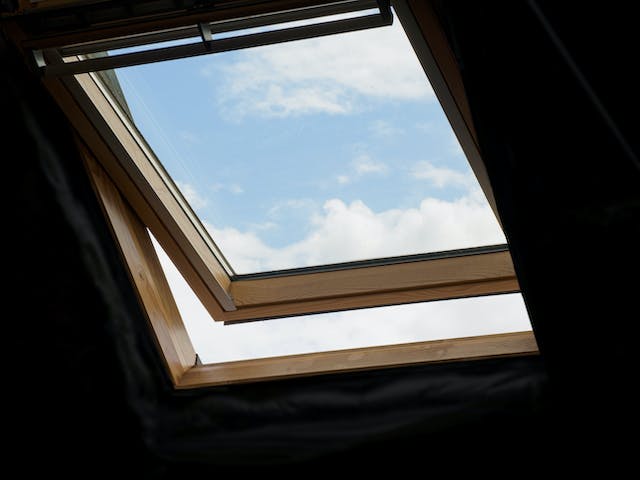
Vinyl windows offer exceptional energy efficiency, minimal maintenance, and strong value for West Jordan’s climate at a lower price point than wood alternatives.
Vinyl windows have become the most popular choice for window replacement projects, offering benefits that go beyond initial cost savings.
Why Vinyl Windows Excel in West Jordan
Modern vinyl window technology has advanced dramatically, offering premium performance characteristics:
Zero Maintenance – Vinyl never needs painting, staining, or sealing—just occasional cleaning with soap and water.
Moisture Resistance – Vinyl won’t rot, warp, or corrode regardless of exposure to rain, snow, or humidity.
Energy Efficiency – Multi-chambered vinyl frames with insulating properties significantly reduce heat transfer and energy bills.
Durability – High-quality vinyl resists fading, cracking, and peeling even under intense West Jordan sunlight.
Cost-Effective – 30-40% lower initial investment compared to wood windows with similar performance specifications.
Color Stability – Modern vinyl maintains color integrity for decades without repainting.
Weather Resistance – Performs consistently through West Jordan’s temperature extremes without dimensional changes.
Understanding Vinyl Window Limitations
Vinyl windows do have some considerations West Jordan homeowners should understand:
Limited Color Options – While improving, vinyl offers fewer color choices than paintable wood (typically white, beige, tan, and gray).
Cannot Be Repainted – If you want to change your home’s color scheme, vinyl window colors cannot be altered.
Aesthetic Perception – Some homeowners prefer the traditional look of wood for historic or high-end architectural styles.
Quality Variations – Lower-quality vinyl can become brittle over time; professional installation with premium materials is essential.
The ENERGY STAR program provides performance benchmarks that help homeowners compare energy efficiency across both wood and vinyl options.
Cost Comparison Between Wood and Vinyl Windows
Vinyl windows typically cost 30-40% less initially and require minimal ongoing expenses, while wood windows demand higher upfront investment plus regular maintenance costs throughout their lifespan.
Understanding the true cost requires looking beyond the initial purchase price to lifetime ownership expenses.
Initial Investment Breakdown
For a typical West Jordan home, replacing 10-15 windows, cost differences can be substantial:
Vinyl Windows – Professional window installation with quality vinyl products represents the more affordable option, with costs varying based on window size, style, and energy efficiency ratings.
Wood Windows – Comparable wood window installation generally costs 30-50% more due to material expenses and more complex installation requirements.
Lifetime Ownership Costs
The initial price difference is only part of the financial equation. Consider these ongoing expenses:
Wood Window Maintenance:
- Repainting or restaining every 3-7 years
- Regular inspections for moisture damage, rot, or pest infestation
- Weatherstripping replacement as wood expands and contracts
- Potential repairs for warping, cracking, or structural deterioration
- Professional refinishing to maintain appearance and protection
Vinyl Window Maintenance:
- Occasional cleaning with mild soap and water
- Minimal hardware lubrication
- No painting, staining, or sealing required
Energy Efficiency and Material Impact on Utility Bills
Both wood and vinyl windows can achieve excellent energy efficiency, but vinyl’s multi-chambered construction and moisture resistance typically provide more consistent thermal performance in West Jordan’s climate.
Energy efficiency directly affects your comfort and monthly utility expenses, making it a critical comparison factor.
Understanding Window Energy Performance
Several key performance factors determine window energy efficiency:
U-Factor – Measures heat transfer—lower numbers indicate better insulation (look for 0.30 or below for West Jordan climate).
Solar Heat Gain Coefficient (SHGC) – Indicates how well windows block heat from sunlight (0.25-0.40 is ideal for mixed climates like Utah).
Air Leakage – Measures how much outside air penetrates through window assemblies.
Visible Transmittance – Determines how much natural light enters while maintaining energy efficiency.
Comparing Energy Performance
Vinyl Window Energy Advantages – Modern vinyl windows feature multi-chambered frames that trap air for superior insulation. These chambers, combined with Low-E glass coatings and argon gas fills, create exceptional thermal barriers that reduce heat transfer year-round. Vinyl maintains consistent dimensions regardless of temperature or humidity, ensuring weatherstripping remains effective and air leakage stays minimal.
Wood Window Energy Characteristics – Quality wood naturally insulates well, but performance depends heavily on proper maintenance. As wood expands, contracts, and potentially warps over time, gaps can develop that compromise energy efficiency. Regular sealing and weatherstripping replacement become essential to maintain optimal performance in West Jordan’s climate extremes.
Research from the National Fenestration Rating Council (NFRC) helps homeowners understand certified energy performance ratings for both window materials.
Maintenance Requirements and Time Considerations
Vinyl windows require minimal maintenance beyond occasional cleaning, while wood windows need regular painting, sealing, and inspection to prevent moisture damage and maintain performance.
Maintenance requirements significantly impact long-term ownership experience and should factor heavily into your decision.
Vinyl Window Maintenance Schedule
Vinyl window maintenance involves:
- Monthly – Basic cleaning of glass and frames with mild soap and water
- Seasonally – Inspect weatherstripping and hardware for proper operation
- Annually – Clean tracks and lubricate moving parts on double-hung or casement windows
- As Needed – Replace weatherstripping if gaps develop (rare with quality vinyl)
Total annual maintenance time: Approximately 2-4 hours for an average home with 10-15 windows.
Wood Window Maintenance Requirements
Wood windows demand considerably more attention:
- Monthly – Inspect for signs of moisture damage, peeling paint, or wood deterioration
- Seasonally – Check caulking and weatherstripping, especially after temperature extremes
- Every 3-7 Years – Complete repainting or restaining to protect wood from moisture and UV damage
- Annually – Inspect for pest activity, wood rot, or structural issues requiring professional repair
- As Needed – Sand, prime, and repaint damaged areas; replace deteriorated weatherstripping
Total maintenance investment: 8-16 hours annually, plus professional refinishing every 3-7 years.
When to Call a Professional for Window Replacement
Professional window replacement ensures proper performance, prevents moisture intrusion, and protects your investment. Window replacement is not a DIY project due to structural, weatherproofing, and warranty considerations.
Warning Signs You Need Window Replacement
Contact a professional if you notice these red flags:
- Drafts and Air Leakage – Feeling air movement around closed windows indicates seal failure or structural gaps
- Condensation Between Panes – Moisture between double-pane glass means seal failure and lost insulation value
- Difficult Operation – Windows that stick, bind, or require excessive force indicate warping or structural issues
- Visible Damage – Cracked frames, rotting wood, peeling paint, or broken hardware compromise performance and security
- High Energy Bills – Unexplained increases in heating or cooling costs often trace to inefficient windows
- Outside Noise – Excessive sound penetration suggests poor sealing or single-pane construction
- Fading Furniture – UV damage to interior furnishings indicates inadequate Low-E coating protection
Why Professional Installation Matters
Improper window installation creates more problems than the windows themselves. Professional installation ensures:
- Proper Weatherproofing – Expert flashing, sealing, and insulation prevent moisture intrusion and air leakage
- Structural Integrity – Correct shimming, leveling, and fastening protect window operation and longevity
- Warranty Protection – Manufacturer warranties often require professional installation for validity
- Building Code Compliance – Professional installers ensure work meets local building requirements
- Energy Performance – Proper installation maximizes the energy efficiency benefits you paid for
Making the Right Choice for Your West Jordan Home
Choose vinyl windows for low maintenance, superior energy efficiency, and best value, or select wood windows when architectural authenticity and customization justify a higher investment and ongoing maintenance commitment.
The best choice depends on your specific priorities, budget, and home characteristics.
Choose Vinyl Windows If You Prioritize
- Low to zero maintenance requirements
- Maximum energy efficiency and lower utility bills
- Moisture resistance in West Jordan’s variable climate
- Lower initial investment with strong long-term value
- Consistent performance without ongoing expenses
- Modern home styles or practical functionality over traditional aesthetics
Choose Wood Windows If You Value
- Traditional architectural authenticity and natural beauty
- Historic home preservation or period-appropriate materials
- Unlimited color customization through painting or staining
- Unique custom shapes or specialty window configurations
- Classic aesthetics that justify higher investment and maintenance
- The warmth and character only natural wood provides
Hybrid Solution
For homeowners who want wood’s interior beauty with vinyl’s exterior durability, clad wood windows offer a middle-ground solution. These windows feature wood interiors for aesthetics with vinyl or aluminum exteriors for weather protection, though they come at a premium pricing above either pure material option.
Conclusion
Choosing between wood and vinyl windows in West Jordan ultimately comes down to balancing aesthetics, maintenance commitment, and budget priorities. For most West Jordan homeowners, vinyl windows deliver superior value through exceptional energy efficiency, minimal maintenance, and reliable performance in our challenging climate—all at a lower investment than comparable wood options.
However, if your home’s architectural style demands traditional wood aesthetics and you’re prepared for ongoing maintenance, quality wood windows can provide timeless beauty. West Jordan Windows helps you evaluate your specific needs, climate considerations, and long-term goals to select the perfect replacement window solution for your home.
Ready to discuss wood vs vinyl windows for your West Jordan home? Call West Jordan Windows at (385) 503-3508 to schedule a free consultation. We’ll assess your current windows, explain material options, and provide honest recommendations.
Frequently Asked Questions
How long do vinyl windows last compared to wood windows in West Jordan?
Quality vinyl windows typically last 20-40 years in West Jordan’s climate with minimal maintenance, while wood windows can last 30-50 years but require regular painting, sealing, and repairs to achieve that lifespan. Vinyl’s performance remains consistent throughout its life, whereas wood’s longevity depends heavily on maintenance commitment.
Are vinyl windows as energy-efficient as wood windows?
Modern vinyl windows often exceed wood window energy efficiency due to multi-chambered frame construction that traps insulating air. While quality wood provides good natural insulation, vinyl maintains consistent thermal performance because it doesn’t expand, contract, or develop gaps like wood can over time. Both materials achieve excellent energy efficiency when combined with Low-E glass, argon fills, and proper installation.
Can I paint vinyl windows if I want to change my home’s color scheme?
Vinyl windows cannot be successfully painted—the material’s smooth, non-porous surface doesn’t accept paint well, and any coating will eventually peel or crack. However, modern vinyl windows come in an expanding range of factory colors, including white, beige, tan, gray, and even some darker tones that maintain color stability for decades without fading.
Do wood windows add more value to my West Jordan home than vinyl?
Home value impact depends on your property’s style and buyer preferences rather than material choice alone. Wood windows may enhance perceived value in historic or high-end homes where architectural authenticity matters to buyers. However, for most West Jordan homes, energy-efficient vinyl windows appeal strongly to buyers who appreciate low maintenance and lower utility costs.
What’s the best window choice for West Jordan’s hot summers and cold winters?
For West Jordan’s temperature extremes, vinyl windows typically perform better due to their resistance to expansion, contraction, and warping that wood experiences during seasonal changes. The most important factors are proper installation, quality construction, Low-E glass coatings to reflect summer heat, argon gas fills for insulation, and multi-chambered frames—features available in both materials but more consistently maintained over time in vinyl.
How much maintenance do wood windows really require in West Jordan?
Wood windows require repainting or restaining every 3-7 years to protect against moisture damage and UV degradation. Between refinishing cycles, homeowners should monthly inspect for peeling paint or moisture penetration, and annually check for pest activity or rot. Total annual maintenance typically involves 8-16 hours of inspection and minor repairs, plus professional refinishing every few years. In contrast, vinyl windows need only occasional cleaning and basic hardware lubrication—roughly 2-4 hours annually.